
Smart Design Choices That Help Small Outdoor Spaces Feel Larger and More Useful
Small yards create big planning questions for many homeowners. You may want space for seating, plants, and clear walking paths. Tight areas often feel crowded without a clear plan. The good news is that smart outdoor design solves these limits. With simple choices, you can shape a space that feels open and useful. Clear layouts, right-size features, and low care options matter most. This guide explains what works, what challenges to expect, and how to plan with confidence.
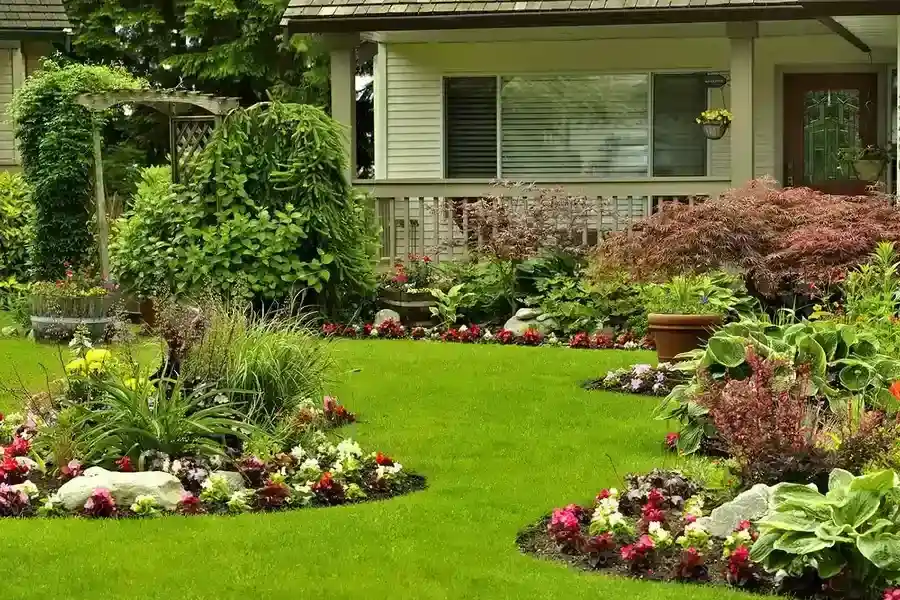
Key Benefits With Intentional Design Choices
Thoughtful backyard landscaping helps small spaces work harder without feeling busy. It creates clear zones for dining, relaxing, and movement. Vertical elements free floor space for people and pets. Smart layouts also reduce care needs over time. You gain better drainage, cleaner lines, and safer pathways. Many homeowners notice higher home value with clear outdoor plans. Even simple updates like raised planters improve daily use.
- Improves flow and walking space
- Makes small yards feel wider and brighter
- Reduces long-term upkeep needs
- Supports outdoor furniture without crowding
Common Challenges With Tight Outdoor Areas
Backyard landscaping often fails in small yards due to poor planning. Many yards lack drainage or proper grading. Some spaces feel boxed in by fences or walls. Shade limits plant choices and turf growth. Storage and seating compete for space. Without a plan, features block paths and sight lines. These issues cause frustration and wasted money.
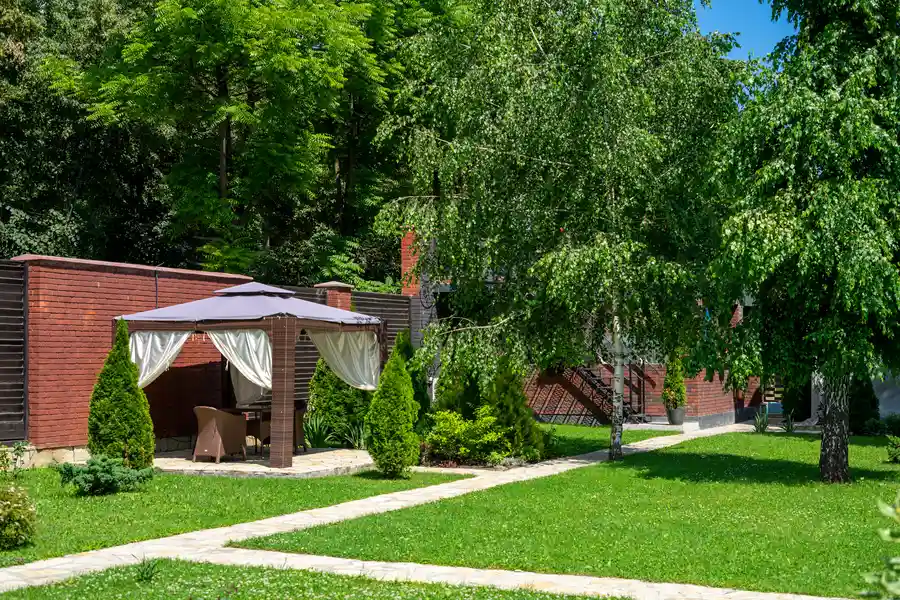
How to Solve Space Limits Step by Step
Clear steps help avoid common layout mistakes. Start with measuring your usable area. Note sun, shade, and slope changes. Choose features that serve more than one role. Built-in seating with storage saves space. Narrow paths keep movement clear without wasting room.
- Measure yard size and note fixed features
- Map walking paths before adding furniture
- Select slim furniture and fold-away pieces
- Use vertical planters or wall trellises
- Leave open space for simple movement
Best Practices With Plant and Material Choices
Material choice matters more in small yards. Light colors reflect more light and feel open. Gravel paths drain water better than solid slabs. Native plants thrive with less care and space. Avoid large shrubs that outgrow the area. Mix textures instead of many colors.
- Choose plants with controlled growth
- Limit color palettes for visual calm
- Select permeable surfaces for drainage
- Use planters to control root spread
Industry Standards With Local Rules and Safety
Local rules often affect small yard projects. Many cities require permits for retaining walls or drainage work. Fence height limits may apply in tight lots. Drainage must direct water away from structures. Homeowner groups may restrict materials or layouts. Always review city codes before starting. These steps protect your property and prevent fines.
Cost Factors With Return on Investment
Small yards still require smart budgeting. Costs depend on materials, labor, and drainage needs. Vertical features often cost less than expanding hard surfaces. Native plants lower water bills over time. Simple layouts cost less to maintain. Most homeowners see value through better use and improved curb appeal.
- Lower upfront costs with phased projects
- Reduced upkeep saves money long term
- Entry-level designs often start affordable
- Value improves with clean, usable layouts
Next Steps With Professional Outdoor Design Support
Located in Moore Haven, FL, I help homeowners plan outdoor spaces that fit tight yards. Call (863) 599-2156 to discuss layout options, cost ranges, and timelines. Alpha Land Services focuses on clear plans that respect space limits and local rules. I guide projects from early ideas through final build with dependable results.