
Simple Routines That Protect Soil, Plants, and Outdoor Spaces Year-Round
Healthy landscaping depends on steady care and smart timing. Many property owners struggle with missed tasks, poor growth, and patchy lawns. Weather changes, soil types, and plant choices raise the challenge. Clear routines help prevent damage and waste. When you focus on core tasks, results improve over time. This guide explains what matters, why it matters, and how to act. You will learn practical steps that fit busy schedules. Each section aims to help your landscape stay strong and balanced.
Benefits That Support Long-Term Lawn and Plant Health
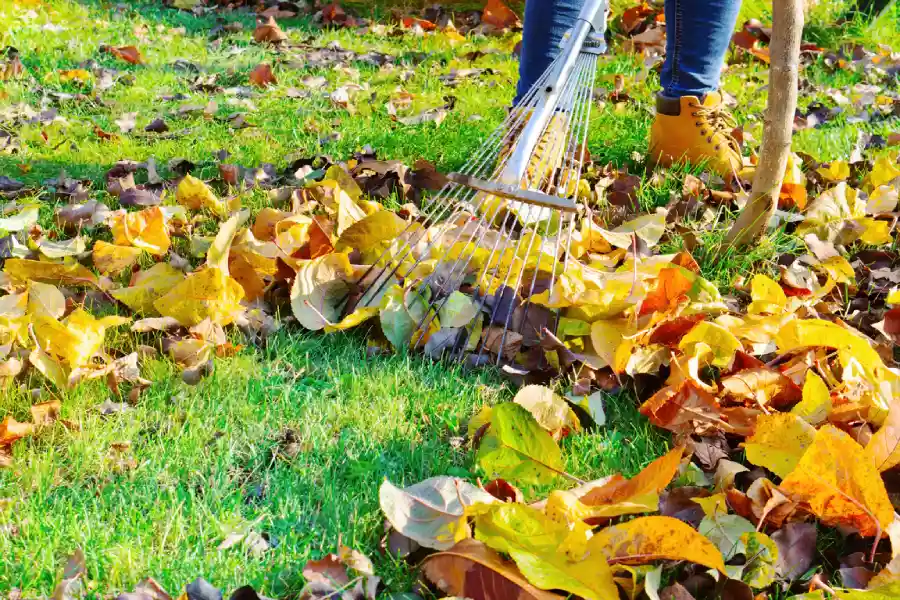
Yard maintenance delivers clear benefits when done with purpose and timing. Improved mowing patterns reduce stress and protect roots. Correct watering supports deeper growth and fewer weeds. Regular care also lowers repair costs and saves time later. Strong landscapes manage rain better and limit erosion. You also gain safer walking areas and clearer property lines. These gains support value and curb appeal across seasons.
Common Problems Homeowners Face During Seasonal Care
Yard maintenance challenges often start with uneven schedules and poor tools. Overwatering causes shallow roots and fungus problems. Cutting grass too short weakens turf and invites pests. Skipping edging leads to messy borders and spread. Many owners also ignore soil tests and drainage issues. These mistakes reduce growth and raise future costs. Spotting issues early prevents long setbacks.
Step-by-Step Solutions That Improve Daily Care
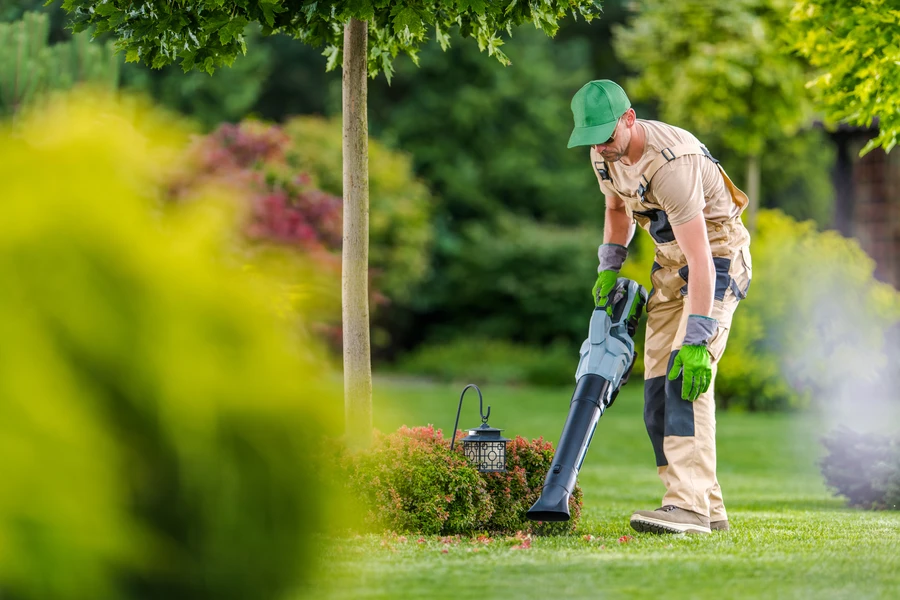
Simple steps help avoid long-term damage and reduce repeat work. Follow a clear order to protect plants and soil.
- Test soil each spring to guide feeding and watering plans
- Mow with sharp blades and never remove more than one-third
- Water early morning to reduce loss and disease risk
- Edge borders to stop grass spread into beds
- Inspect for pests and treat only affected areas
Best Practices With Seasonal Timing and Tool Care
Consistent habits protect landscapes when weather shifts quickly. Use these proven tips to guide care choices.
- Adjust mowing height during heat to shade roots
- Clean tools after use to prevent disease spread
- Leave grass clippings to return nutrients to soil
- Mulch beds to hold moisture and block weeds
Standards and Rules That Affect Lawn and Garden Care
Local rules often guide water use and noise hours. Many regions set limits on irrigation days. Fertilizer labels list legal application rates and timing. Some areas restrict leaf blowing or runoff discharge. Following these standards avoids fines and protects waterways. Certified products meet safety and performance rules. Checking local guidance supports responsible care.
Budget Planning and Value Over Time
Costs depend on lawn size, plant types, and equipment quality. Regular upkeep costs less than major repairs. Smart scheduling reduces water and material waste. Investing in soil improvement boosts results from other tasks. Compare options to balance value and effort.
- Pros: steady care lowers repair needs and improves growth
- Cons: missed weeks can cause setbacks and higher costs
My Recommendations With Ongoing Lawn Care Support
Reliable routines keep landscapes healthy across seasons. Located in Moore Haven, FL, I support property owners with clear plans and timely service. Alpha Land Services focuses on consistent care that protects soil and plants. Call (863) 599-2156 to discuss schedules, costs, and next steps for improved outdoor results.